Японский зен
Сбалансированный
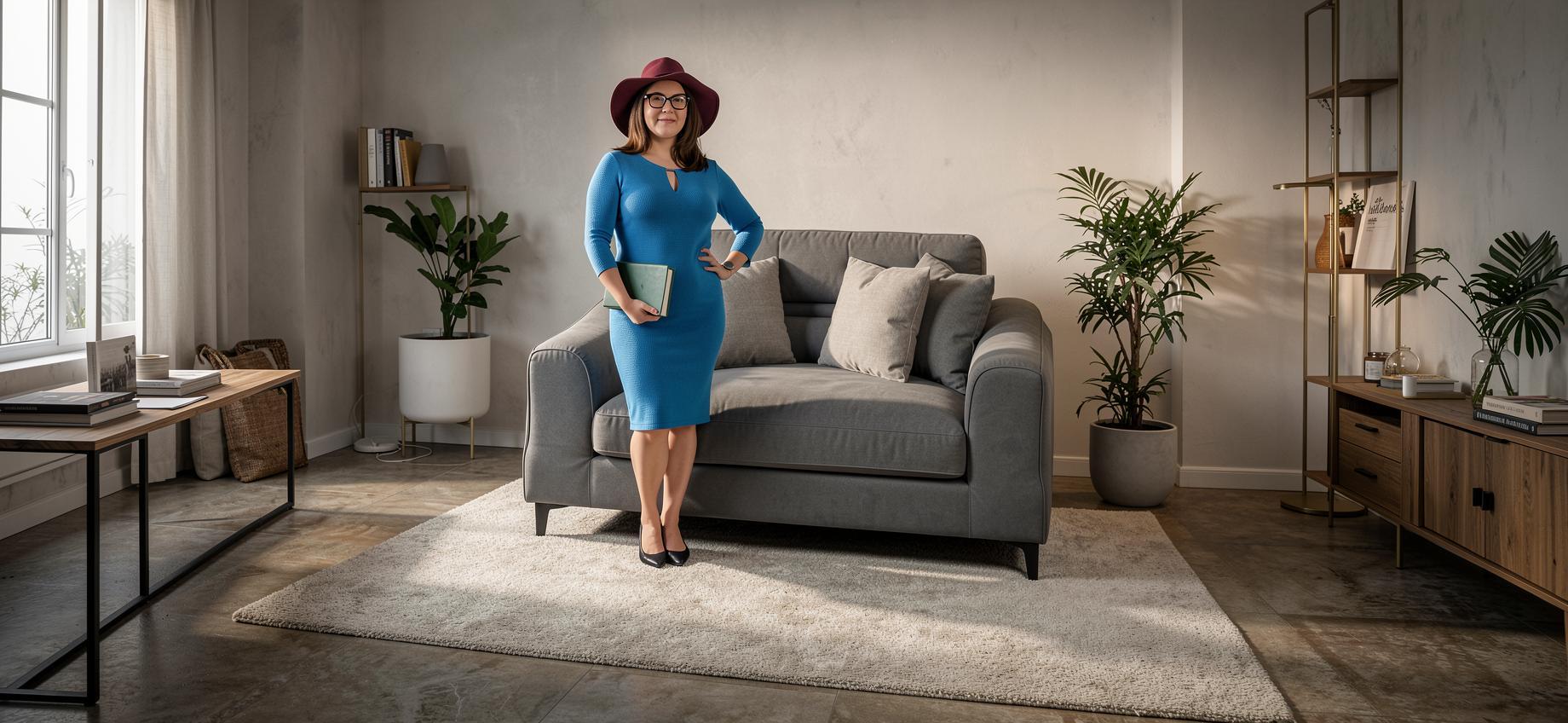


An incredibly lifelike, richly detailed, photorealistic interior photo of a living room set in a modern Japanese Zen environment. The scene is illuminated by soft, diffused natural light streaming in from a large window, creating a tranquil and harmonious atmosphere. Captured with a wide-angle lens, emphasizing the clean lines, uncluttered surfaces, and the rich textures of natural materials. The original design, while featuring some minimalist elements, can be elevated to exude a more profound Japanese Zen aesthetic. The existing gray sofa could be replaced with a low-profile platform sofa upholstered in a soft, neutral linen in a light cream or a pale, earthy brown. The textured rug could be swapped for a natural jute or sisal rug, bringing in a more organic feel. The wooden side tables and media console, currently a bit more rustic, could be refinished or replaced with pieces made from lighter, unfinished wood with clean, minimalist joinery; think blond ash or bamboo. The metallic gold shelving unit could be reimagined as a sleek, black metal étagère with thin, delicate shelves, or even a custom-built open wood slatted partition. The imagined design focuses on creating a space that embodies tranquility and wabi-sabi principles. The color palette is a sophisticated blend of neutrals – creamy whites, warm beiges, and muted taupes – punctuated by the deep greens of carefully chosen indoor plants and the subtle charcoal of black accents. Instead of the existing paintings, the walls would feature a statement piece of Japanese calligraphy art, perhaps in bold black ink on a textured, handmade paper, and a large, beautifully bound photography book showcasing natural landscapes. Decorative elements would be sparse but impactful: a single, exquisitely crafted ceramic vase with a few artfully placed branches, or a simple, elegant incense holder. The coffee setup on the console would be refined to a single, minimalist tea set with a few artful touches. The new composition prioritizes negative space and a sense of calm. The low wooden furniture is arranged to create distinct functional zones without feeling crowded. The platform sofa is placed centrally, anchoring the living area, with a low coffee table positioned in front of it. The media console is a sleek, low-slung piece with seamless drawers and minimal visible hardware, housing essential electronics discreetly. Beside the sofa, a tall, slender floor lamp with a simple linen shade would provide ambient lighting in the evening. The window area, currently a bit cluttered with baskets, would be cleared, allowing the natural light to flood the space unobstructed, perhaps with sheer, natural linen drapes that add a subtle layer of privacy without sacrificing light. The interaction with the views to the outside is intensified. The expansive window would frame a serene garden view, perhaps a meticulously raked gravel path with a few strategically placed rocks and a single, elegantly pruned maple tree. This connection to nature is crucial, bringing the outside in and reinforcing the Zen philosophy of harmony with the environment. The sunlight would cast gentle shadows, creating a dynamic interplay of light and form throughout the day. The reimagined interior is a sanctuary of calm. The flooring might be a polished concrete with a warm undertone, or wide-plank, matte-finished wood. The walls would have a subtle texture, perhaps a limewash finish in a soft, off-white hue. The sense of order is paramount; surfaces are clutter-free, and each item has a purpose and a place. The proportions are carefully considered to create a sense of balance and spaciousness, promoting a feeling of serenity and mindfulness. The design respects human scale, ensuring that the low-profile furniture encourages relaxation and a grounded connection to the space. The overall effect is one of understated elegance, a peaceful retreat where the beauty of simplicity and nature are celebrated.